How to Add Value to your Home
Article Source : HGTV.com
Read the entire article here
Here are just a few tricks to add more value to your home from the experts at HGTV.
Any Kitchen Update Equals Added Value
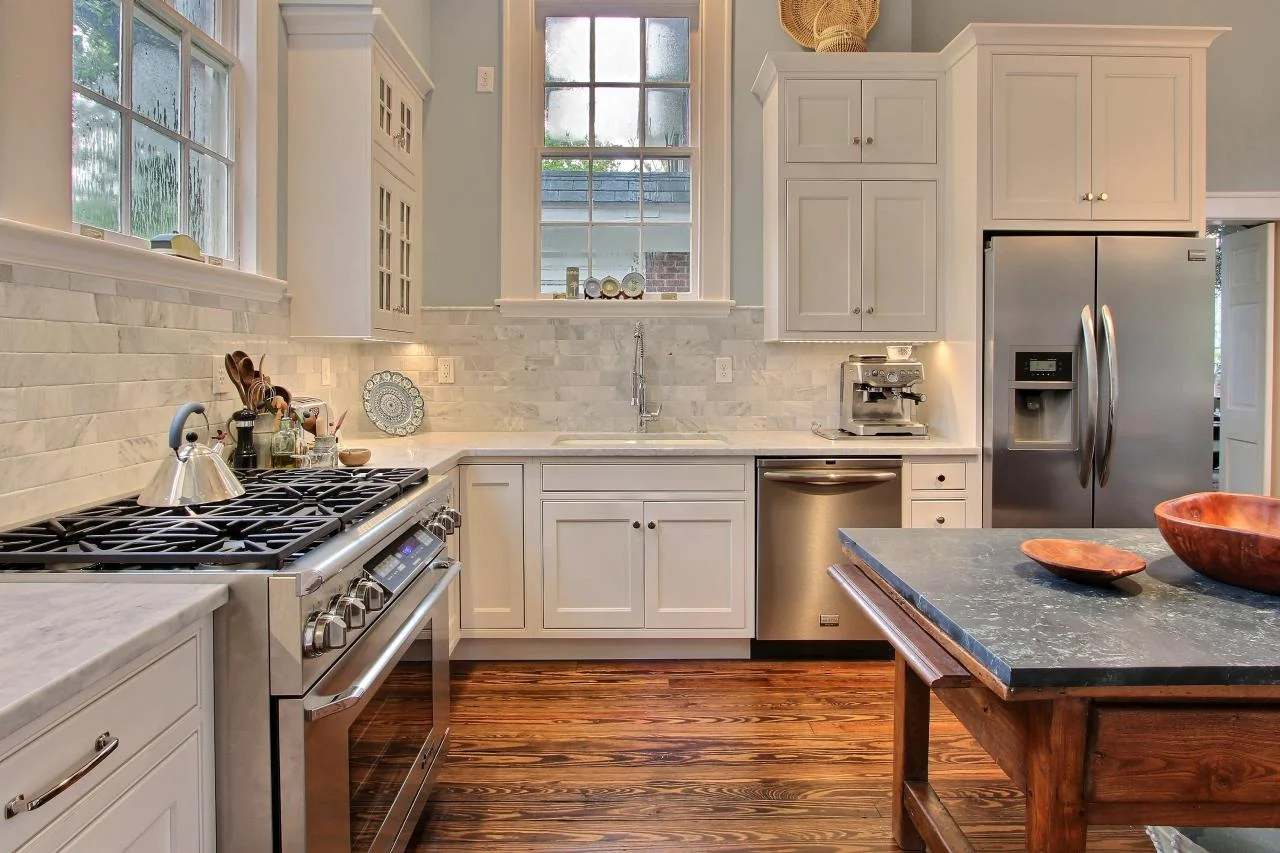
The same rule applies in the kitchen. You don't have to start from scratch to create a winning recipe. For maximizing your home's value, kitchen updates are key. Start by swapping out just one item, such as a stained sink or ancient microwave for shiny new stainless models. Even small kitchen updates will add big value to your home.
Paint!
One of the simplest, most cost-effective improvements of all is paint! Freshly painted rooms look clean and updated — and that spells value. When selecting paint colors, keep in mind that neutrals appeal to the greatest number of people, therefore making your home more desirable. On average, a gallon of paint costs around $25, leaving you plenty of money to buy rollers, painter's tape, drop cloths and brushes. So buy a few gallons and get busy!
Plant a Tree
If you aren't planning to sell your house today, plan for the future with a landscaping improvement that will mature over time. Plant shade trees — not only will mature trees make your home more desirable but a fully grown, properly placed tree can cut your cooling costs by as much as 40 percent. Mature landscaping is also good for the environment, providing a necessary habitat for wildlife while adding valuable curb appeal to your home.
Low Maintenance Landscaping
No question that shrubs and colorful plants will add curb appeal to any home, but when shopping at your local garden center, make sure that you "think green." Purchase plants that are native to your region or plants that are drought-tolerant; these require less water and maintenance, which means more savings to you and more green in your wallet.
Ceilings
Finally, what's on your ceiling? Few structural elements date a house more than popcorn ceilings. So dedicate a weekend to ditching the dated look and adding dollar signs to the value of your home. NOTE: some older ceilings could contain asbestos so before undertaking this project, have yours tested by professionals.
Once you're in the clear, this is a project you can tackle yourself. First, visit your local hardware store for a solution to soften the texture, then simply scrape the popcorn away. Removing a popcorn ceiling may not seem like a big change but one of the keys for adding value to your home is to repair, replace or remove anything that could turn buyers away.